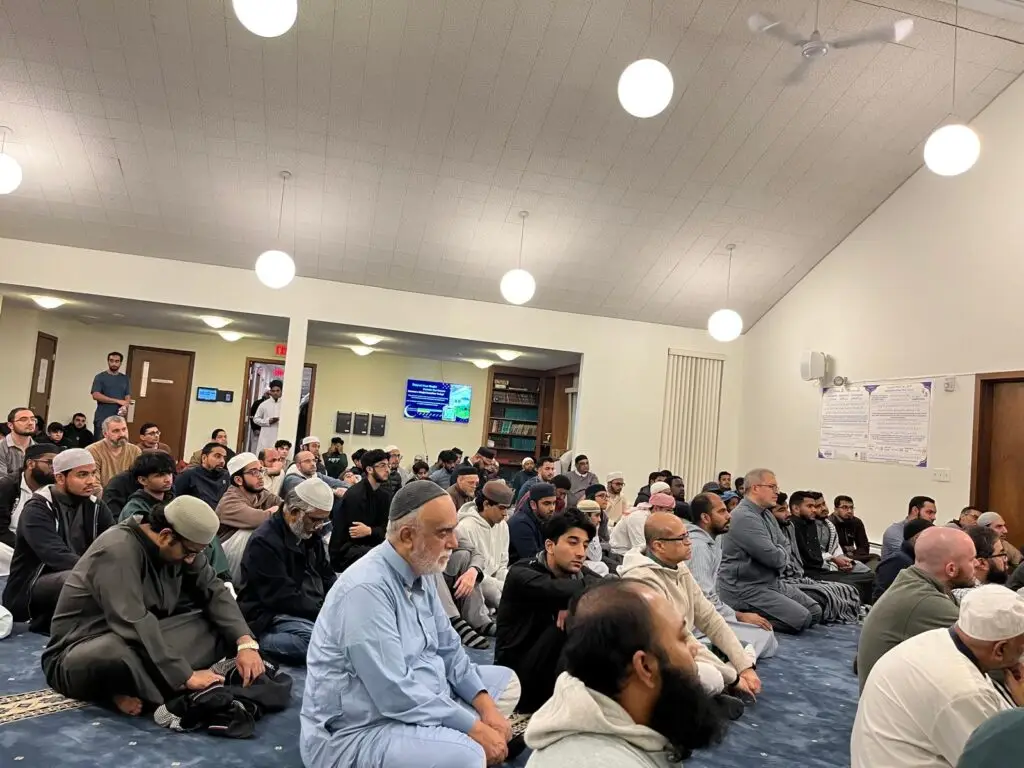
On the evening of November 2nd, Masjid Al-Ikhlaas hosted a heartwarming and spiritually uplifting Seerah Conference, bringing together scholars and community members to reflect on the lives of the Prophet Muhammad ﷺ and his companions. Led by Mufti Muhammad Aswat, Shaykh Omar Dar, and Hafiz Nafim Chowdhury, the evening began with a gathering for the Isha prayer, marking the start of a memorable night.
The atmosphere was immediately elevated as a Hafiz from the Salam Institute in Massachusetts recited the Quran with a voice that filled the room, captivating everyone present. His melodious recitation set a serene tone, immersing attendees in reflection. Following him, a young brother from the same institute performed a nasheed, a spiritual song in praise of Allah Subhanahu wa ta’ala and His Messenger ﷺ. The young performer’s voice, filled with emotion and reverence, left the audience mesmerized, setting a perfect foundation for the evening’s discussions.
Reflections on the Lives of the Companions
As the program progressed, scholars took to the stage, sharing powerful stories from the lives of the Prophet’s ﷺ companions and highlighting values essential to the Muslim community. They began with the story of Abu Bakr’s رضي الله عنه father embracing Islam during the conquest of Mecca. When Abu Bakr رضي الله عنه brought his elderly father to the Prophet ﷺ, the Prophet ﷺ, upon seeing him, remarked that he would have gladly gone to visit Abu Quhafa instead, out of respect for his age. As Abu Bakr رضي الله عنه witnessed his father embracing Islam, he expressed to the Prophet ﷺ that he would have been even happier if it had been the Prophet’s ﷺ beloved uncle, Abu Talib, accepting Islam. This moment showcased Abu Bakr’s رضي الله عنه humility and his profound love for the Prophet ﷺ, reminding the audience of the importance of loyalty, empathy, and respect in relationships.

The speakers then narrated the Hadith of Jibril—a moment where Angel Jibril (Gabriel) visited the Prophet ﷺ in the form of a man, asking profound questions about Islam, faith, and the Day of Judgment. This story served as a reminder of the importance of obedience and respect within family dynamics. The scholars highlighted a message relevant to today’s world: Knowledge alone does not suffice without soul and respect. Children today, with vast access to information, often feel they know more than their elders. The story of Jibril’s questions emphasized that true knowledge requires humility, wisdom, and a willingness to listen.
Another touching story shared was that of a man who, out of deep devotion, carried his mother from Yemen to Mecca on his back for the pilgrimage. After completing this incredible journey, he asked Abdullah ibn Umar رضي الله عنه if he had finally repaid his mother for all she had done. Ibn Umar رضي الله عنه responded, “Not even for a single pang of her labor,” reminding the man—and all of us—of the unrepayable debt owed to parents. This story, rich with lessons on the unending duty of respect and gratitude toward parents, resonated deeply with the audience.


The scholars continued with reflections on Abu Bakr’s رضي الله عنه joys in life, all of which centered around his devotion to the Prophet ﷺ. These included moments such as accompanying the Prophet in the Cave of Thawr, standing by him in battle, and offering his daughter in marriage to him. Such stories illustrated Abu Bakr’s رضي الله عنه steadfast love and dedication to the Prophet ﷺ.
The evening’s talks also addressed Bilal ibn Rabah’s رضي الله عنه sorrow after the passing of the Prophet ﷺ. Bilal رضي الله عنه found it unbearable to call the adhan, the call to prayer, because he could no longer bring himself to say “Muhammadan Rasulullah.”
This sorrow was echoed in the story of Abu Hamid Al-Ansari رضي الله عنه, who, after witnessing the tragic death of Uthman ibn Affan رضي الله عنه, chose never to smile again. These reflections reminded the audience of the importance of empathy and care within the community, especially in response to the struggles faced by Muslims worldwide.
Following these stories, the scholars spoke of Abu Ayyub Al-Ansari رضي الله عنه, who, upon learning that the Prophet ﷺ did not consume certain foods, chose to avoid them out of respect and love. This small but powerful gesture symbolized the companions’ dedication to mirroring the Prophet’s ﷺ way of life, serving as a reminder of the importance of emulating his example in our daily lives.
The speakers concluded their segment by calling attention to the state of the Muslim world today, encouraging attendees to reflect on their own reactions and empathy toward the suffering of fellow Muslims globally. Through each of these stories, the companions’ deep love, respect, and dedication to the Prophet ﷺ were woven into the hearts of everyone present, offering timeless lessons in humility, empathy, and devotion.
The Chief Guest’s Reflections on Lessons from the Companions
When Shaykh Moulana Asim Ahmed took the stage, he called on the audience to come closer, recounting a story where three guests approached the Prophet ﷺ to listen. One sat in the front, one in the middle, and one at the back, each treated by the Prophet ﷺ according to their proximity and attentiveness. The Shaykh emphasized that just as the Prophet ﷺ valued those who were closest, so should we value the act of truly listening.
Shaykh Asim then spoke of Abu Salaba al-Shami رضي الله عنه, a companion from Palestine who came from what was then the Byzantine Empire. He recounted how Abu Salaba رضي الله عنه once asked the Prophet ﷺ for a promise that he would be granted land from his homeland. Though this land was then under Byzantine control, the Prophet ﷺ wrote him a document of promise, which Abu Salaba later presented to Umar ibn al-Khattab رضي الله عنه when the Muslims gained control of the region. This example illustrated the foresight and belief in Allah’s Tabaraka wa ta’ala will that the companions had, trusting that even seemingly impossible things would come to pass.
The Shaykh moved on to a significant moment from the Battle of Uhud. He recounted how the Prophet ﷺ stationed archers on a hill with strict instructions to hold their position. When some archers prematurely descended, the opposing army, led by Khalid ibn al-Walid رضي الله عنه (before his conversion to Islam), launched a counter-attack, almost leading to a Muslim defeat. The Shaykh emphasized that although this was a mistake, it was divinely destined as part of the Prophet’s ﷺ dream, reminding the audience that human error, when part of Allah’s Jalla jalaaluhu decree, plays a role in fulfilling a larger purpose.
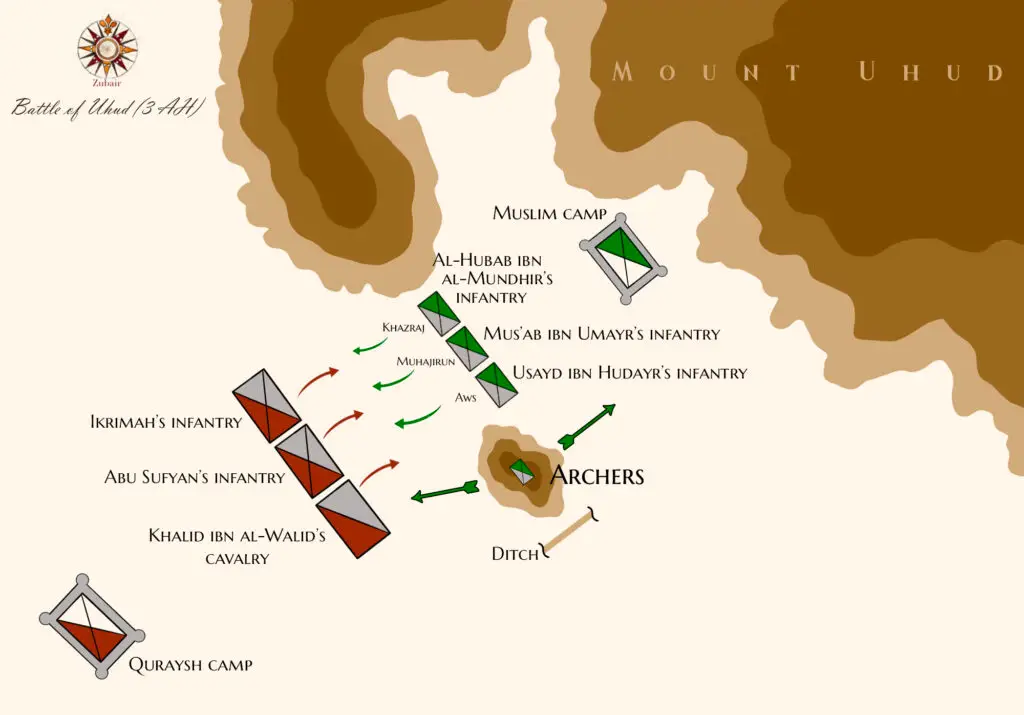
Reflecting on this event, Shaykh Asim shared a powerful lesson on leadership: The Prophet ﷺ did not criticize or rebuke the archers, understanding that true unity requires forgiveness. The Shaykh encouraged community leaders and family heads to practice forbearance, emulating the Prophet’s ﷺ ability to lead without division. To build unity, he said, leaders must be able to overlook mistakes and accept diversity in personalities and backgrounds.
The Shaykh also narrated the story of Abdullah bin Ubayy, the leader of the hypocrites, who withdrew with 300 men before the Battle of Uhud because his opinion was not taken. This contrasted with Umar ibn al-Khattab’s رضي الله عنه reaction to the Prophet ﷺ choosing a different course than his own at the Battle of Badr, where Umar رضي الله عنه accepted it humbly. The Shaykh warned that pride in one’s opinion over others often leads to division, and that humility and acceptance are key to genuine unity. He noted that an obsession with one’s own opinion is one of the signs of hypocrisy, reminding the audience that the Qur’an and hadith warn against such arrogance.
Shaykh Asim emphasized that ignorance and pride are closely connected. He spoke about the effects of today’s media, which often promotes shallow knowledge without context. He reminded everyone that the first command revealed to the Prophet ﷺ was “Read,” not “Watch,” stressing that reading fosters deeper understanding and context, unlike visual media, which can mislead.
In his final point, the Shaykh reflected on the Prophet’s ﷺ passing. During the Battle of Uhud, a rumor spread that the Prophet ﷺ had been killed, causing some companions to lose heart. Allah Subhanahu wa ta’ala then revealed an ayah stating that Muhammad is only a messenger, a reminder that the mission of Islam continues beyond any one individual. Shaykh Asim connected this message to Abu Bakr رضي الله عنه, who, upon the Prophet’s passing, reminded the Muslims, “Whoever worshipped Muhammad, know that Muhammad has passed. But whoever worships Allah, know that Allah is eternal.” This profound statement established that one’s ultimate faith and reliance should be placed in Allah Jalla jalaaluhu, not in any person.
The Shaykh concluded by reminding the audience of the importance of learning about the companions. He encouraged attendees to follow the example of Abu Ayyub Al-Ansari رضي الله عنه, who dedicated his life to supporting Islam until his final days, even to the point of being buried near the walls of Istanbul, far from his home. Shaykh Asim reminded everyone that while the Prophet ﷺ was chosen by Allah Tabaraka wa ta’ala, so too were his companions chosen to spread and support his message. Following any one of them, the Shaykh asserted, would surely guide a person on the straight path.
Closing Prayer and Community Dinner
To end the evening, Shaykh Moulana Asim Ahmed led a heartfelt duah, asking Allah Subhanahu wa ta’ala to instill love for the Prophet ﷺ and his companions in the hearts of the community. The conference concluded with a delicious dinner, allowing attendees to connect and reflect on the lessons of the evening, further strengthening the bonds of the community.